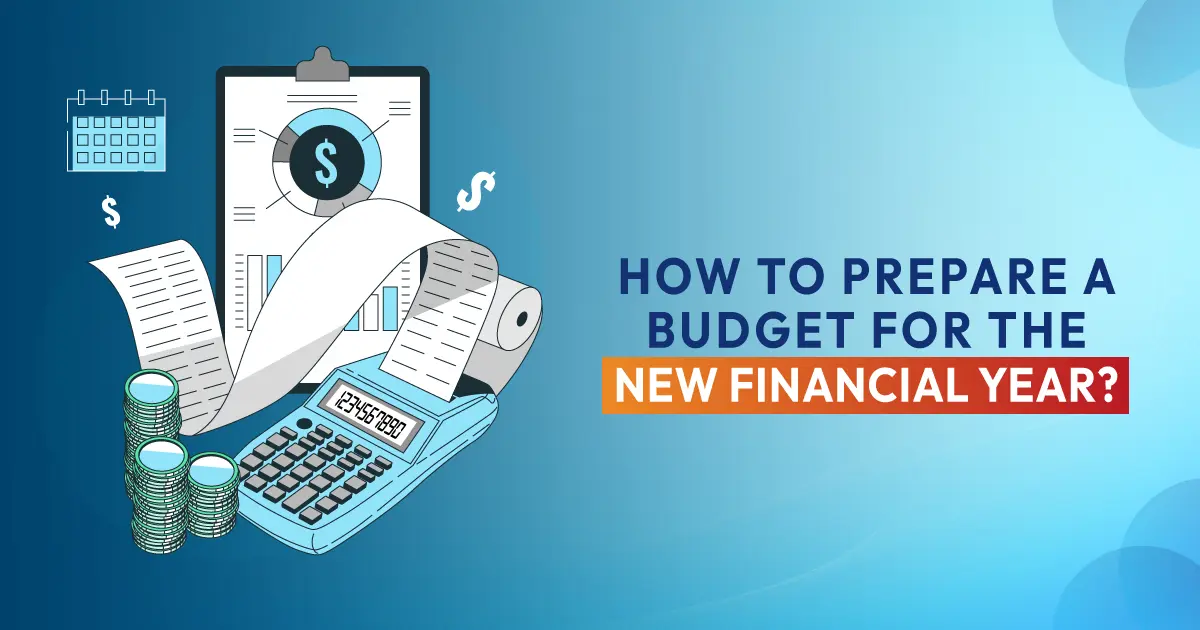
Around 2.66M businesses are operating in Australia. As the new financial year gets closer, it’s time to plan your budget. For not-for-profits, this can feel like a big task. Budgeting is important because it helps manage money and reach goals. Without a clear plan, money can be spent in the wrong places, and this causes stress later.
A smart budget for new financial year gives your team more control. You can see how much money is coming in and where it needs to go. This avoids surprise costs and keeps spending on track. Many NFPs in Australia are now getting ready for the new financial year 2025. It’s a great time to look at what worked last year and what needs to change.
Start with simple steps. Write down your income. List your fixed costs like rent and wages. Then add flexible costs like events or supplies. This helps you build a clear picture. You don’t need fancy tools or a finance degree. Just be honest about your numbers and goals.
Budgeting gets better each year. New methods make it easier and faster. Try what works best for your team. The financial year budget 2025 is not just a task—it’s a chance to grow stronger and plan wisely for the year ahead.
Understanding Annual Budgets
An annual budget is a simple money plan for the year. It shows how much money a business expects to earn and spend. This helps the business use its money wisely and meet its goals. A good annual budget includes income, costs, profits, and cash flow.

Budgeting helps a business plan ahead. It also helps make better decisions. With a clear budget, teams can set targets and manage costs. It also helps check how the business is doing during the year.
To make a strong budget, you need to know your goals. You also need to understand what affects your money. Past numbers, market trends, and industry data can help you plan better.
Budgeting works best when teams talk and share ideas. Each department adds useful info to the plan. This makes the budget more complete and realistic. It also helps find risks and new chances.
A clear budget for the new financial year gives the business a guide. It keeps spending on track and supports long-term plans. With the financial year budget 2025 in sight, now is the best time to plan for a strong year ahead.
Why Having a Yearly Budget Matters?
A good annual budget helps your business stay on track and grow. It shows how much money you plan to earn and spend during the year. Budgeting is more important than ever, especially with many people feeling unsure about starting a business. In fact, 26% of Australians said they wouldn’t start a business in 2025 because of stress and uncertainty. Another 20% said it’s too risky in today’s economy, and 13% said they don’t have enough money or resources. Only 10% said they might start a business, and just 8% would do it if the right chance came along. A clear budget can help reduce that fear by giving you a strong plan and more control over your finances.
- Gives a clear money plan: Helps you plan how to use your money during the financial year.
- Sets financial goals: Let’s you set income and spending targets for the financial year 2025.
- Tracks business progress: Shows if you are meeting your goals or need to make changes.
- Manages costs better: Helps reduce waste and control where money is going.
- Spot risks and new chances: Helps you prepare for problems and take advantage of good opportunities.
- Improves teamwork: All departments work together and follow the same financial plan.
- Supports better decisions: Gives a full view of your financial health to guide smart choices.
- Keeps your business stable: Helps your business stay strong, even if the market changes.
- Let’s you adjust as needed: You can change your budget anytime to match new goals or needs.
How to Start Your Annual Budget?
Starting your annual budget needs good planning. The first step is to gather important financial papers. These include:
- Income statements
- Balance sheets
- Cash flow statements
These documents show how your business is doing now.
Look at your past financial results to find patterns. This helps you make better guesses for the next year. Check what is working well and what needs improvement.
The cash flow statement is very important. It shows money coming in and going out. This helps you plan for times when cash might be tight. It also helps you prepare for big expenses or investments.
By carefully reviewing your financial statements and cash flow, you can build a strong budget. This budget will help you meet your business goals for the year.
Tools and Resources to Help You Begin
Making an annual budget is easier with the right tools and help. These tools help you collect and check your financial data. Here are some important ones to use:
- Spreadsheets: Programs like Microsoft Excel or Google Sheets help you organise numbers. You can create budget templates and do quick calculations.
- Financial Metrics: Using key numbers like profit margin, revenue growth, and return on investment (ROI) helps track how your business is doing. These show where you can improve.
- Finance Team: Your finance team knows a lot about money. They can help gather data, follow accounting rules, and give advice during budgeting.
Using these tools and resources makes budgeting faster and more accurate. It also helps you make smart money decisions.
A Step-by-Step Guide to Creating Your Annual Budget for New Financial Year
Making an annual budget might feel hard, but breaking it into small steps can help. Follow this guide to build a clear and useful budget for your business.
Step 1: Gather Your Financial Documents
Start by gathering your main financial documents. These are:
- Income statement – shows how much money you earned and spent.
- Balance sheet – shows what you own and what you owe.
- Cash flow statement – shows the money coming in and going out.
These papers help you understand how your business is doing with money.
Step 2: Work Out Your Total Income
Next, guess how much money your business will make in the new financial year. Look at past numbers, market trends, and expected sales. Think about your cash flow and costs that may change, like marketing or sales commissions.
Step 3: List Fixed and Flexible Expenses
Know your business costs by putting them into two groups:
- Fixed expenses – These stay the same each month. For example, rent and salaries.
- Variable expenses – These can change. For example, supplies and ads.
Ask team managers to help you list and estimate these costs correctly.
Step 4: Adjust Your Spending to Reach Your Goals
Try to spend less without hurting your business. You can:
- Stop spending on things you don’t really need
- Ask suppliers for better prices
- Focus on the most important projects first
Always check that your spending matches your business goals.
Step 5: Review and Tweak Your Budget Regularly
Keep checking your budget throughout the year. This helps you see if you are on track or need to change plans. Regular reviews allow you to:
- Compare actual spending to your budget
- Forecast future income and expenses
- Make smart decisions based on real data
By staying on top of your budget, you can keep your business financially healthy.
Budgeting Methods That Help You Succeed
Using smart budgeting techniques can help your business manage money better and reach its goals. Here are two popular methods many businesses use:

Zero-Based Budgeting
This method means you start your budget from zero every year. You must explain and approve every expense, no matter what you spent before. This helps you save money by only spending on what really matters. It also makes your business more efficient by cutting out unnecessary costs. Zero-based budgeting helps you decide where to spend your money so it brings the most value. It takes good planning and teamwork to make it work well.
The 50/30/20 Rule
This simple rule divides your income into three parts:
- 50% for needs like rent, food, and bills
- 30% for wants like eating out or hobbies
- 20% for savings and paying off debt
This rule helps you balance your spending and saving. It makes sure you cover your essentials, enjoy life, and save for the future.
By using these techniques, your business can create a budget that works better and supports your goals.
Common Budgeting Challenges and How to Handle Them
Creating a budget is not always easy. Many businesses face challenges, but there are ways to handle them well. Here are two common problems and how to solve them:
Dealing with Unexpected Expenses
Surprise costs can upset your budget and cause money problems. Try these steps to prepare:
- Set aside money for surprises. Add a small buffer in your budget for unexpected expenses.
- Build a rainy day fund. Save enough money to cover 3 to 6 months of expenses for emergencies.
- Prioritise spending. If a surprise happens, pay for the most important things first.
These actions help keep your budget steady even when unexpected costs come up.
Staying Motivated and Accountable
Budgeting takes time and focus. Stay motivated by:
- Checking how you’re doing regularly
- Celebrating small wins, like saving money
- Keeping your money goals clear and easy to see
Ask your team or manager to help you stay on track and responsible.
Going Beyond the Basics: Smarter Budgeting
After you have a good budget in place, you can use advanced strategies to improve your financial health even more. Here are two important ideas to think about:

Include Savings and Investments
Set aside part of your budget for savings and investments. Building savings gives you a safety net for emergencies. Investing in things like stocks, bonds, or property can help your money grow over time. This helps protect your financial future and reach big goals.
Plan for Long-Term Financial Health
Think beyond just one year. Make a plan for your big goals, like retirement, buying a home, or paying for education. Set clear goals and create steps to meet them. Check your plan often and adjust it when needed to stay on track.
Using these strategies makes your budget stronger and helps secure your financial future.
To Sum up
Making an annual budget is an important step to keep your money safe and steady. Follow a clear plan, set goals you can reach, and check your spending often. This helps you build good money habits. Use simple tools to make budgeting easier and stay on track. Change your budget when your needs change, and always be ready for surprise costs. Methods like zero-based budgeting and the 50/30/20 rule can help you manage your money well. With good planning, you can stay in control and feel confident about your financial future.
Need expert help with your financial year budget 2025? Contact Nexgen Accounting & Tax today to get personalised support and make your budgeting simple and stress-free.